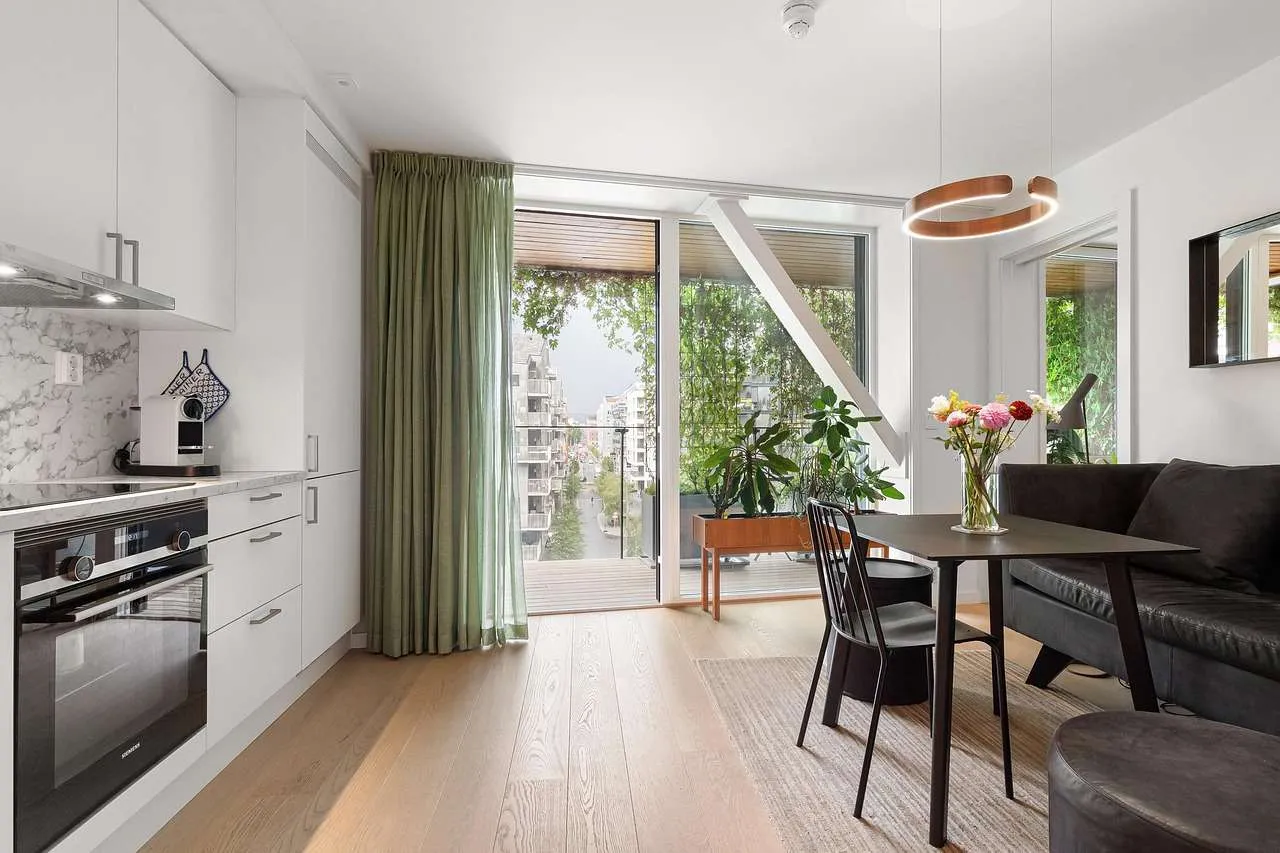
What is home window repair
Home window repair covers a range of services to restore function, seal, and efficiency for residential windows. It can involve glass replacement, reglazing, weatherstripping, sash alignment, or hardware restoration. A well-executed repair extends the life of the window, improves indoor comfort, and reduces energy loss. This guide outlines signs you may need repair, the DIY versus professional decision, common methods, cost considerations, and how to choose a reputable contractor in line with EEAT principles.
Signs you may need repair
- Persistent drafts around the sash or between panes
- Sticking, rasping, or difficult operation when opening or closing
- Condensation between insulated panes indicating seal failure
- Cracked, chipped, or broken glass
- Rotting wood, peeling paint, or degraded hardware
DIY vs professional repair
DIY repair can handle simple tasks such as weatherstripping, tightening hardware, or resealing a noncracked pane. However, glass work, insulated glazing units, or structural issues require caution and expertise. Professional window repair technicians bring safety training, the right tools, and a warranty-backed process to ensure a durable fix and adherence to building codes.
When to DIY
If you are comfortable with basic hardware work, weatherstripping, and minor sealant application, DIY can save money. Always wear safety glasses and follow manufacturer instructions for glazing compounds and sealants.
When to hire a pro
Call a licensed contractor for broken glass, rotted frames, water intrusion, failed insulating seals, or sash balance problems. A pro can assess structural integrity, provide a warranty, and advise on energy efficiency upgrades.
Common repair methods
Glass repair and replacement
Small chips can be filled with resin or glazing compound. Larger cracks typically require pane replacement. For insulated units, a professional should handle seal replacement to restore energy performance and prevent condensation.
Sash and frame repair
Warped or bent sashes may require planing, re-alignment, or rebedding. Frame repairs restore square operation and reduce air infiltration.
Weatherstripping and seals
Replacing worn weatherstripping reduces drafts and improves efficiency. Seals around the sash and frame should be inspected and renewed as needed.
Hardware and balance systems
Balance springs, hinges, and tilt mechanisms wear over time. Replacing or adjusting hardware restores smooth operation and safety, especially on older windows.
Cost considerations and budgeting
Costs vary by window type, size, glass choice, and whether framing or structural repair is needed. Typical ranges include glass replacement 120–600 per window, sash repair 150–900, and weatherstripping 20–80 per window. Larger or architectural windows, leaded glass, or moisture in the cavity increases price. Insurance or home warranty may cover some repairs if linked to water damage or structural issues.
| Service | Typical cost per window | DIY viability | Notes |
| Glass replacement | 120–600 | Limited for simple panes; required for tempered or insulated units | Ask about rated glass and safety standards |
| Sash and frame repair | 150–900 | Depends on material and mechanism | Structural work may require professional repair |
| Weatherstripping | 20–80 | High; easy to replace | Best return on energy savings |
| Hardware replacement | 50–200 | Usually DIY possible | Hinges, balances, locks are often standard sizes |
Choosing a home window repair professional
Seek licensed, insured contractors with references and clear warranties. Check reviews, request before and after photos, and verify credentials. Ask for a written estimate that itemizes parts, labor, and timing. Ensure the contractor conducts a pre repair inspection to verify glass type, frame condition, and any needed moisture or structural repairs. A reputable pro will explain options for energy efficiency upgrades such as low emissivity coatings, argon gas fillings, or foam insulation around the frame.
Maintenance tips to extend window life
Regular cleaning, lubrication of moving parts, and annual inspection can catch issues early. Keep drainage channels clear, repair moisture intrusion promptly, and repaint or seal exposed wood to prevent rot. Proper maintenance reduces the likelihood of costly repairs and supports sustained energy savings.
Conclusion, timely home window repair preserves safety, efficiency, and value, while professional assessment ensures durable, code compliant results and long term peace of mind.